Get Wood Cladding Installation
Local contractors offer wood cladding installation services that enhance building appearance, improve durability, and address weather-related or structural issues on residential and commercial projects.
Wood cladding installation offers a practical way for property owners to enhance the appearance and durability of their buildings. Whether upgrading the exterior for improved insulation, aesthetic appeal, or increased protection against the elements, many in the area consider this project to boost their property's value and curb appeal. Exploring local contractors who specialize in wood cladding can help ensure the work meets specific needs and complements the style of the property.
For those planning a renovation or new build, comparing options among local service providers can provide valuable insights into the best materials and installation practices. Engaging experienced contractors familiar with local conditions can also contribute to a successful project. Continue exploring to find qualified professionals who can assist in bringing your wood cladding vision to life.
- Residential Homes - homeowners seeking to enhance their property's exterior with durable wood cladding.
- Commercial Buildings - businesses wanting to improve their storefronts or office facades with stylish wood finishes.
- Interior Renovations - property owners looking to add warmth and texture to interior walls or feature areas.
- Outdoor Spaces - clients aiming to create attractive, weather-resistant cladding for patios, decks, or garden structures.
- Renovation Projects - those updating or restoring older buildings with modern wood cladding solutions.
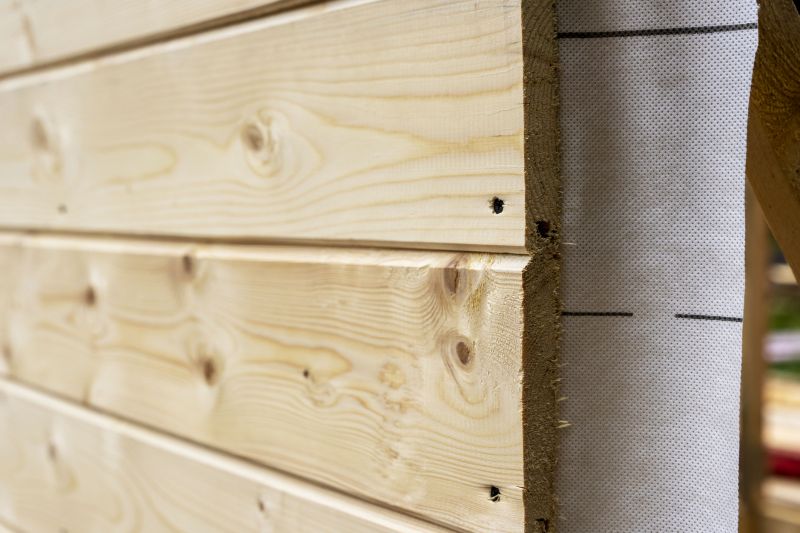

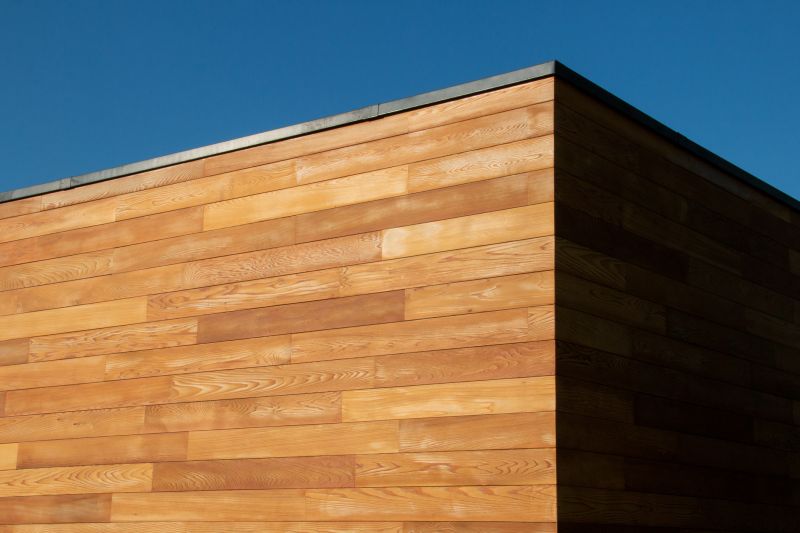
Wood cladding installation involves attaching wooden panels or planks to the exterior or interior surfaces of a property to enhance its appearance and protect the structure. This service typically includes preparing the existing surface, selecting appropriate types of wood, and securely fixing the cladding to ensure durability and aesthetic appeal. Skilled contractors can also handle the finishing touches, such as sealing or staining, to help the cladding withstand weather conditions and maintain its look over time.
This type of cladding installation can address several common problems faced by property owners. It can improve insulation, helping to regulate indoor temperatures and reduce energy costs. Additionally, wood cladding offers a natural barrier against external elements like wind and rain, which can help prevent moisture infiltration and structural damage. For properties that have seen wear and tear, or those looking to update their façade, professional installation can provide a fresh, attractive appearance while also adding a layer of protection.
Wood cladding is suitable for a variety of property types, including residential homes, cottages, and townhouses. It is often used on new builds or as part of renovation projects to give a property a modern, rustic, or traditional look. Commercial buildings, such as shops or offices, may also incorporate wood cladding to create a distinctive exterior or interior feature. Generally, properties that seek to combine aesthetic appeal with functional benefits tend to choose wood cladding as a versatile exterior or interior finish.
Homeowners who notice issues like peeling paint, rotting timber, or areas where the exterior surface no longer looks appealing may consider wood cladding installation. It can also be a practical choice for those wanting to improve insulation or protect their property from weather damage. When considering this service, it’s important to work with experienced local contractors who understand the best types of wood and installation techniques suited to specific property needs. Contacting local pros can ensure the job is done properly, resulting in a durable and attractive finish.
The overview below groups typical Wood Cladding Installation projects into broad ranges so you can see how smaller, mid-sized, and larger jobs often compare in your area.
In many markets, a large share of routine jobs stays in the lower and middle ranges, while only a smaller percentage of projects moves into the highest bands when the work is more complex or site conditions are harder than average.
Smaller Repairs - Minor wood cladding repairs or patch-ups typically cost between $250 and $600. These projects often involve replacing damaged boards or fixing localized areas, which many local contractors handle within this range.
Surface Refresh or Refinish - Repainting or resealing existing wood cladding generally falls in the $600-$1,500 range. Many routine refresh jobs land in this middle band, with fewer projects reaching higher costs for extensive prep work.
Partial Replacement - Replacing sections of wood cladding usually costs between $1,500 and $3,500, depending on the size and material of the area. Larger or more complex partial replacements can push beyond this range but remain less common.
Full Cladding Installation - Complete installation or replacement of wood cladding on a building can range from $5,000 to $15,000 or more. Larger, more intricate projects tend to fall into the higher end of this spectrum, while standard jobs are often in the lower to middle ranges.
Actual totals will depend on details like access to the work area, the scope of the project, and the materials selected, so use these as general starting points rather than exact figures.
Exterior Wall Cladding - Local contractors experienced in wood cladding can also handle other types of exterior wall coverings, ensuring proper installation and weatherproofing.
Interior Wall Paneling - Skills used in wood cladding installation are applicable to interior wall paneling projects that require precise fitting and finishing.
Deck and Patio Construction - Building outdoor decks involves similar planning, material handling, and carpentry skills as wood cladding installation.
Fencing and Privacy Screens - Installing fences and privacy screens with wood materials shares techniques related to framing, cutting, and securing wood components.
Siding Replacement - Replacing or repairing existing siding involves similar preparation, removal, and installation processes used in wood cladding projects.
Custom Wood Features - Crafting custom wood accents or structures requires carpentry skills and material knowledge akin to wood cladding installation.
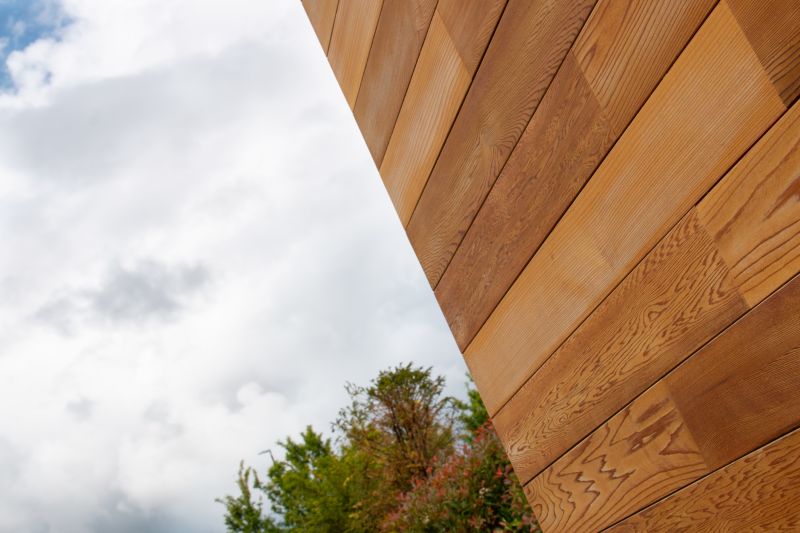
When comparing local contractors for wood cladding installation, it’s important to assess their experience with similar projects. Homeowners should inquire about how many installations they have completed that resemble their own in size, style, or material. A contractor with a proven track record in wood cladding can demonstrate familiarity with the specific techniques and challenges associated with this type of work, helping to ensure the project will be handled competently and efficiently.
Clear, written expectations are essential when choosing a service provider. Homeowners should seek detailed estimates or proposals that outline the scope of work, materials to be used, and the responsibilities of each party. Having these expectations documented helps prevent misunderstandings and provides a reference point throughout the project. It’s also beneficial to ask how the contractor communicates updates or addresses questions, as open and consistent communication can contribute to a smoother installation process.
Reputable references and positive feedback from previous clients are valuable indicators of a contractor’s reliability and quality of work. Homeowners are encouraged to ask for references or examples of completed projects similar to their own. Additionally, good communication skills and responsiveness during initial contact can reflect how effectively the contractor will engage throughout the project. It’s important to remember that this site introduces homeowners to local service providers who can perform the work, rather than performing the work itself, so taking time to evaluate these aspects can lead to a more successful and satisfying outcome.
Property owners use Wood Cladding Installation services for practical projects around their homes and businesses. This guide focuses on everyday jobs and straightforward project options.
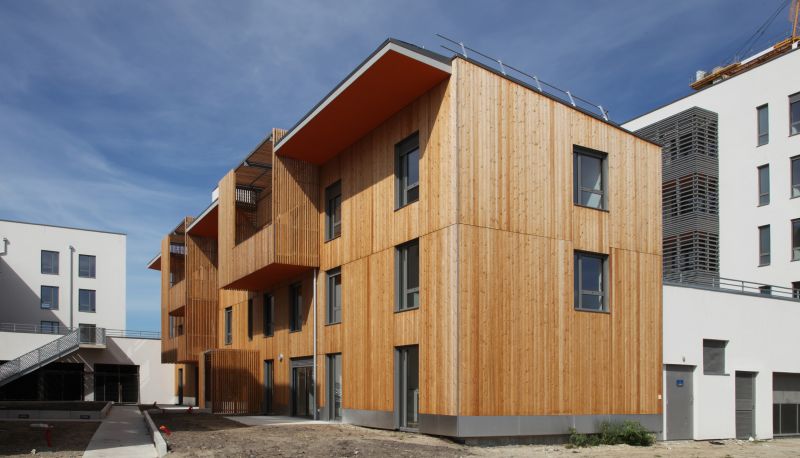
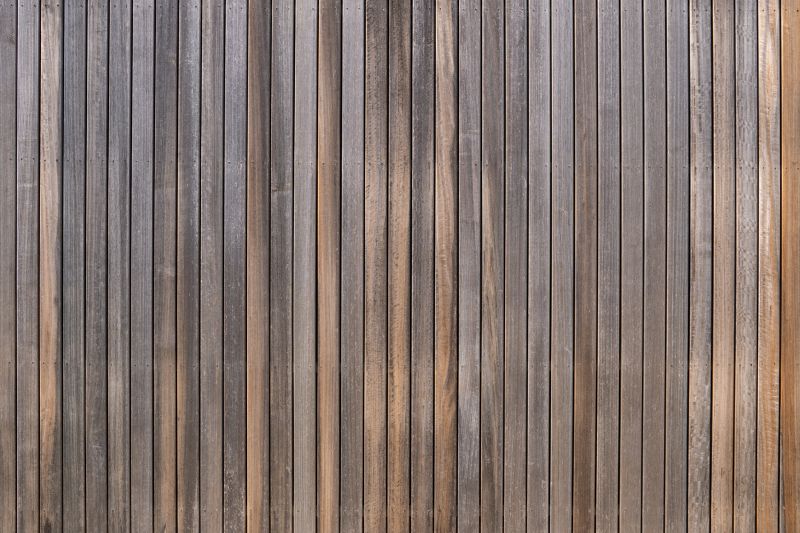
Wood cladding installation is a common project for property owners looking to enhance the appearance and durability of their buildings. Local contractors are often sought after when homeowners or business owners want to update the exterior of their property, improve insulation, or add a fresh, modern look to their facades. Whether replacing aging cladding or installing it for the first time, many turn to experienced service providers who can handle various types of wood finishes and styles to match their property's aesthetic.
Property owners may also look for local pros to address issues like weather damage, moisture infiltration, or to boost curb appeal before selling a property. In addition, those undertaking renovations or extensions might consider wood cladding as a way to create a cohesive design. Connecting with local contractors ensures access to specialists familiar with the area's building regulations and climate considerations, helping property owners achieve the desired results efficiently.
What types of wood are suitable for cladding installation? Local contractors typically recommend a variety of woods such as cedar, pine, and redwood, which are popular for their durability and appearance.
Is preparation needed before installing wood cladding? Yes, existing surfaces should be clean, dry, and structurally sound to ensure proper attachment and longevity of the cladding.
What are common installation methods for wood cladding? Installation methods vary but often include nailing, screwing, or fitting panels with interlocking systems, depending on the type of cladding and the structure.
Can wood cladding be installed on different building types? Yes, local service providers can install wood cladding on residential, commercial, and outdoor structures, adapting techniques to suit each application.
What maintenance is required after wood cladding installation? Maintenance typically involves periodic cleaning, sealing, or staining to preserve the wood's appearance and protect against the elements.
Enhance exterior aesthetics - Property owners can improve the appearance of their homes or commercial buildings with stylish wood cladding installed by local contractors.
Upgrade outdoor spaces - Installing wood cladding on feature walls or fencing can create a warm, inviting atmosphere in gardens or patios.
Improve insulation and protection - Wood cladding can add an extra layer of insulation and weather resistance to exterior walls, helping to maintain indoor comfort.
Modernize building facades - Local service providers can assist property owners in achieving a contemporary look for renovations or new constructions.
If you are thinking about Wood Cladding Installation for a property, this guide is meant to help you understand the work, the typical project types, and how different options might fit your plans.
When you are ready, you can use the quote form on this page to share a few details about your project. From there, local pros can review the basics and respond with options that match what you have in mind.